
Bestseller
Your daily foundation for circulation
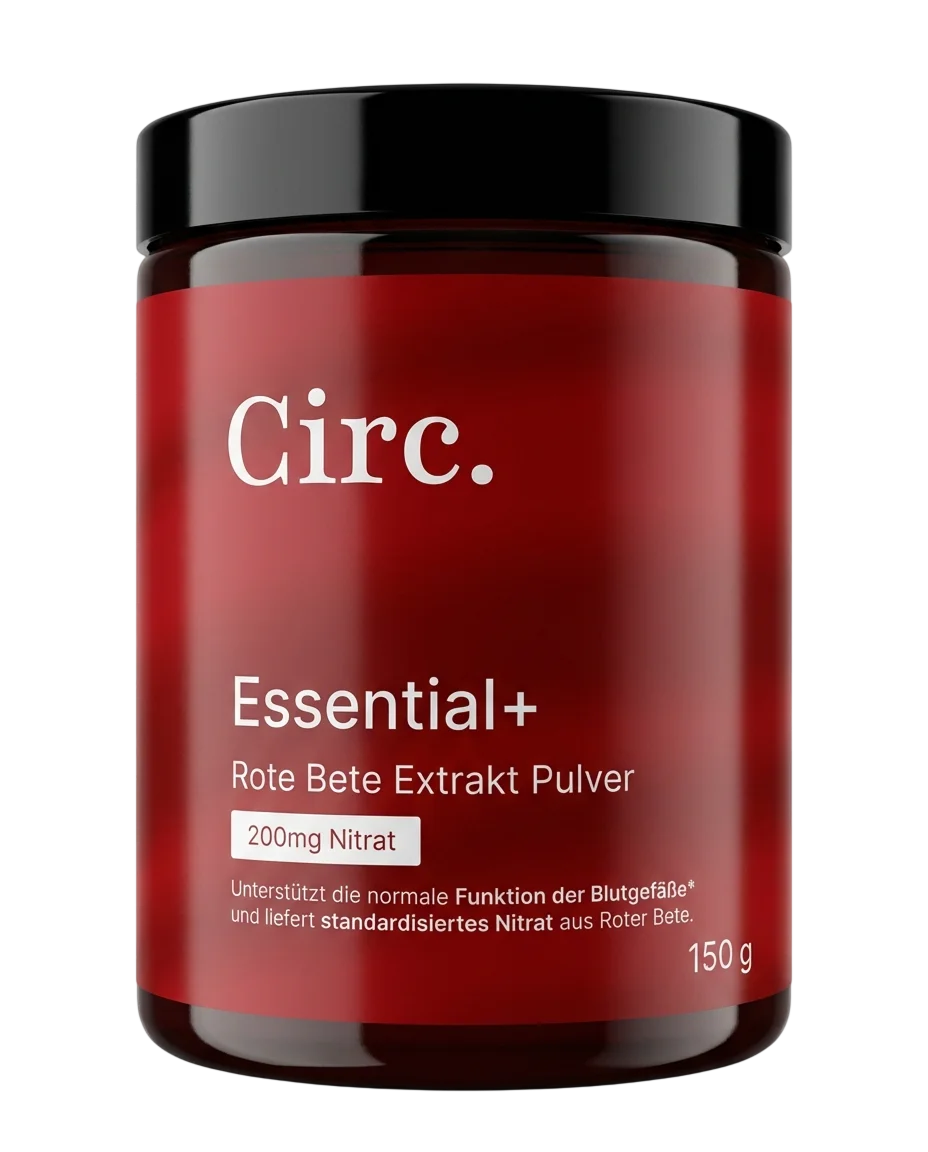
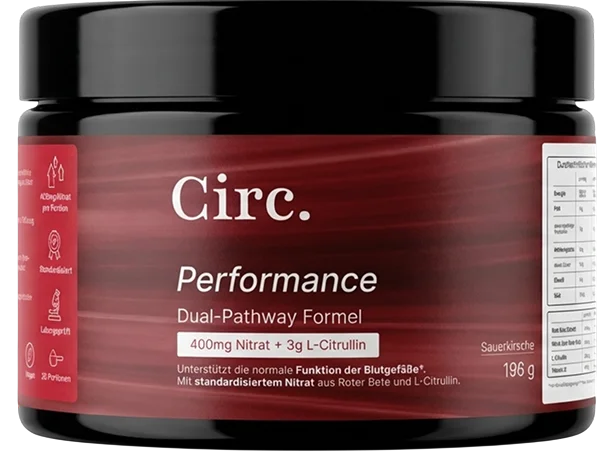
Standardised beetroot extract, scientifically formulated for everyday life and training.
The science behind our beetroot.
NitraScience™Standardised nitrate intake
↑6x*
NitraScience™
Our NitraScience™ formula — developed based on current nitrate research.
CONSISTENCY
Standardised nitrate content in every serving.
The most important molecule you’ve never heard of.
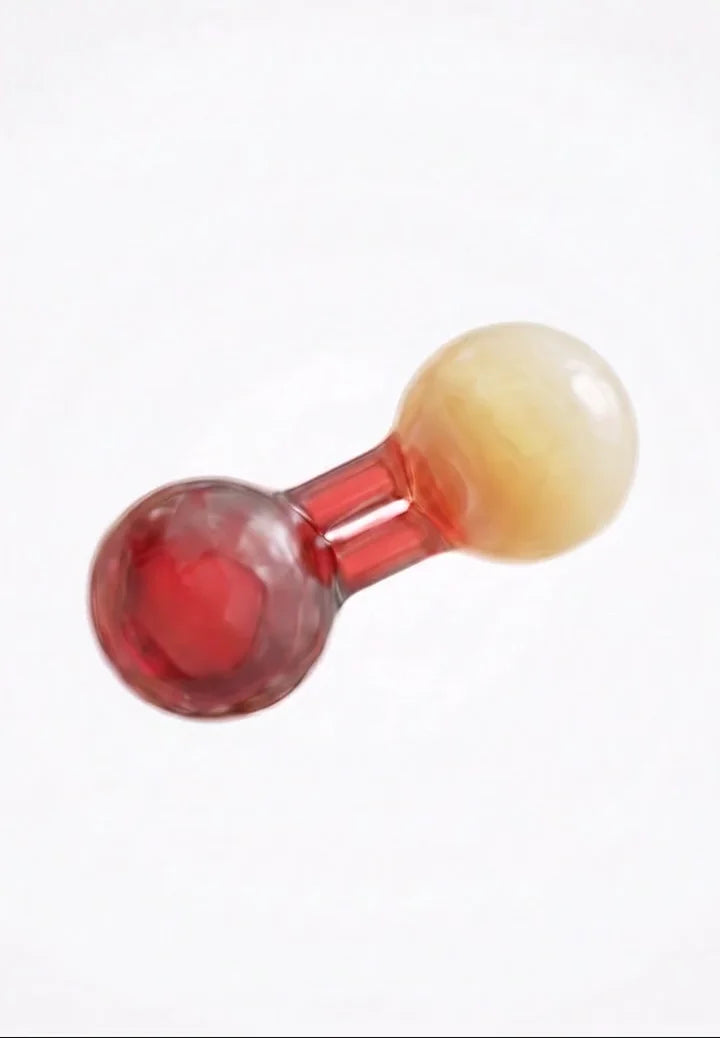
Every second, your body produces a tiny molecule that relaxes your blood vessels — helping oxygen and nutrients reach your muscles, heart and brain more easily. It’s called nitric oxide. The 1998 Nobel Prize in Medicine was awarded for its discovery. Yet few people have heard of it.
We think that should change.
What nitric oxide does for your circulation.

BLOOD VESSELS
Your blood vessels carry oxygen and nutrients to every cell. How far they open determines how much gets through.

THE NITRIC OXIDE EFFECT
Nitric oxide is the body’s own messenger that relaxes your blood vessels. Their walls loosen, the vessel widens — and more blood can flow.

NOURISHED TISSUE
Wider vessels mean your circulation reaches every cell more efficiently. This is the biological basis for supplying your heart, muscles and brain — from when you get up to your last workout.



Nitric oxide production declines with age.
It starts to decline from your mid-twenties.
Lack of exercise and an unbalanced diet speed up the decline.
At 40, your body produces up to 50% less than at 20.

The good news: you can support it
Your body can produce nitric oxide itself — directly from your diet. The raw material: plant-based nitrate.
The process.
Nitrate from beetroot is converted to nitrite by bacteria on your tongue — then converted further into nitric oxide in the body.
The source.
Among vegetables, beetroot is one of the richest in nitrate — and is the most frequently studied in research.
Nitrate consistency
But not every beetroot source delivers the same.
Nitrate levels vary considerably between beetroot products on the market — even between batches of the same product.
Typical beetroot products
InconsistentVariable nitrate content
83%
Batch-to-batch variation*
Circ.
GuaranteedStandardised in every serving*
The same nitrate content every time
In every serving.
*Source: Gallardo, E. J., & Coggan, A. R. (2019). What's in Your Beet Juice? International Journal of Sport Nutrition and Exercise Metabolism.
Frequently asked questions
What is nitric oxide (NO)?
NO is a messenger produced by your body. It is made in cells and helps relax the smooth muscle in blood vessel walls, allowing the vessels to widen.
How does the body produce nitric oxide?
There are two pathways. One uses the amino acid arginine via an enzyme called eNOS. The other is the nitrate pathway:
Nitrate from food is gradually converted into nitrite and then NO in the body.
What does beetroot have to do with nitric oxide?
Beetroot is naturally among the vegetables richest in nitrate. This nitrate is the starting material the body converts into NO through several intermediate steps.
What role do bacteria in the mouth play?
Certain bacteria on your tongue carry out the first step — converting nitrate to nitrite. Without them, the nitrate pathway slows down. Antibacterial mouthwash can disrupt this process.
What is L-citrulline, and how is it linked to NO?
L-citrulline is an amino acid. The body converts it into arginine, and arginine is the building block used to produce NO via the eNOS enzyme. Citrulline therefore supports the second of the two NO pathways.
Why does nitrate content vary so much in beetroot products?
The natural nitrate content of beetroot ingredients varies widely depending on growing conditions and batch — from around 0.5% to 6%. With non-standardised powders, you can never know exactly how much nitrate a serving contains.